
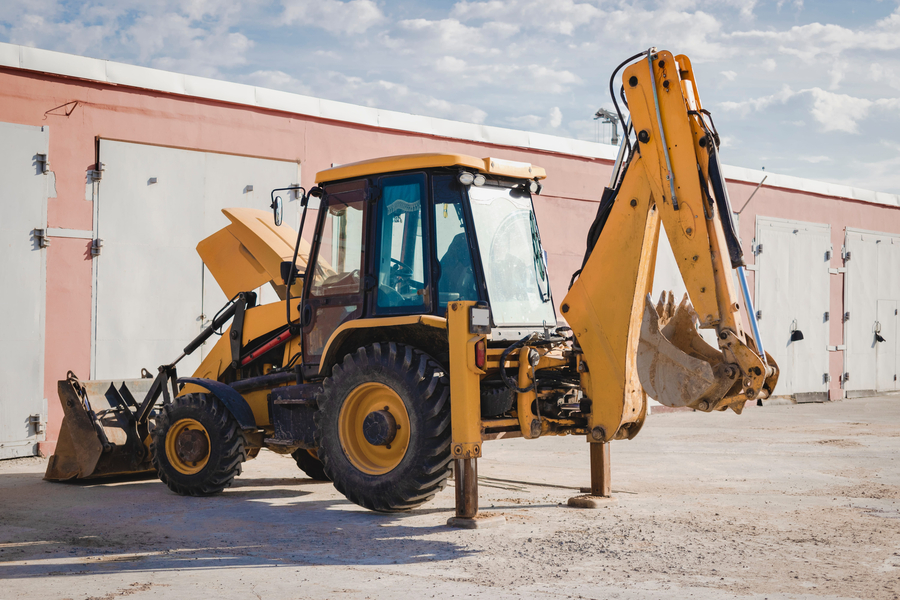
Heavy equipment can lose performance when inspections, lubrication, fluids, filters, cooling systems, and operator checks are missed. A practical maintenance plan can help teams spot wear early, reduce downtime, and keep machines ready for demanding jobsite conditions. In this blog, ProQuip explains how heavy equipment maintenance supports equipment reliability, especially for businesses managing machines in Florida’s heat, humidity, and corrosive environments.
Heavy equipment plays an important role in industries such as construction, site work, material handling, and mining. Proper maintenance is important for helping these machines operate safely and reliably. At ProQuip, we emphasize the importance of a proactive maintenance strategy. Here are our top tips for maintaining your heavy equipment effectively.
Understanding the Importance of Regular Inspections
Regular inspections are the cornerstone of effective heavy equipment maintenance. Routine checks may help operators identify wear, leaks, loose parts, or other concerns before they become larger repair issues. Inspections should cover all important components, including the engine, hydraulic systems, brakes, and electrical components.
Benefits of Regular Inspections
- Early Problem Detection: Regular inspections help identify wear and tear early, preventing more severe damage.
- Cost Savings: By addressing minor issues promptly, you can avoid expensive repairs or replacements.
- Enhanced Safety: Well-maintained equipment is less likely to fail, reducing the risk of accidents.
At ProQuip, we recommend creating a detailed inspection checklist tailored to your specific machinery. This ensures no component is overlooked during routine checks.
Implementing a Routine Maintenance Schedule
A clear maintenance schedule is important for keeping equipment in good working condition. This schedule should include routine tasks such as oil changes, filter replacements, and lubrication. Consistency is key, and following the manufacturer’s recommended maintenance intervals is important.
Components of an Effective Maintenance Schedule
- Daily Checks: Conduct brief inspections at the start and end of each shift to identify any immediate concerns.
- Weekly Tasks: Perform more in-depth inspections and address minor issues that may have arisen during the week.
- Monthly Maintenance: Thoroughly inspect all major systems, including hydraulics and electrical components.
- Annual Overhaul: Conduct a comprehensive review of the equipment, addressing any significant wear or damage.
By following a structured maintenance schedule, teams can help keep heavy equipment more reliable and efficient throughout its service life.
Proper Lubrication Practices
Lubrication is an important aspect of heavy equipment maintenance. Proper lubrication reduces friction between moving parts, preventing wear and extending the lifespan of components. It’s important to use the right type of lubricant for each part of your machinery.
Key Lubrication Tips
- Choose the Right Lubricant: Consult your equipment’s manual to select the appropriate lubricant for each component.
- Maintain Proper Levels: Regularly check lubricant levels and top off as needed to ensure optimal performance.
- Monitor for Contaminants: Check for signs of contamination, such as metal shavings or dirt, which can indicate underlying issues.
Our experts at ProQuip can help you establish a lubrication schedule based on your equipment, ensuring optimal performance and longevity.
Training and Educating Equipment Operators
Equipment operators play an important role in daily maintenance. Properly trained operators are more likely to notice potential issues and perform routine maintenance tasks correctly. Investing in operator training is an investment in the longevity of your equipment.
Benefits of Operator Training
- Improved Equipment Handling: Skilled operators are less likely to misuse equipment, reducing wear and tear.
- Early Issue Identification: Trained operators can recognize early signs of equipment failure, allowing for timely intervention.
- Increased Safety: Proper training reduces the risk of accidents and injuries on the job site.
At ProQuip, we offer training programs designed to improve operator skills, ensuring they can effectively contribute to your maintenance strategy.
Maintaining Equipment in Extreme Conditions
For those managing heavy equipment in Florida or other regions with extreme weather conditions, additional maintenance considerations are necessary. High temperatures, humidity, and corrosive environments can accelerate wear and damage.
Tips for Extreme Condition Maintenance
- Protect Against Corrosion: Use anti-corrosive coatings and store equipment in covered areas to minimize exposure to the elements.
- Monitor Fluid Levels: High temperatures can cause fluid evaporation, so regularly check and maintain proper levels.
- Inspect Cooling Systems: Ensure that cooling systems are functioning correctly to prevent overheating.
Our experts at ProQuip can provide guidance on maintaining your equipment effectively, even in the demanding conditions.
Utilizing Technology for Maintenance Efficiency
The integration of technology into maintenance practices can greatly improve efficiency. Modern heavy equipment often comes equipped with sensors and diagnostics that provide real-time data on equipment health.
Advantages of Technology in Maintenance
- Real-Time Monitoring: Sensors provide immediate feedback on equipment performance, allowing for proactive maintenance.
- Data-Driven Decisions: Access to detailed data enables more informed maintenance planning and decision-making.
- Reduced Downtime: Predictive analytics can help anticipate failures, minimizing unexpected downtime.
At ProQuip, we use practical maintenance knowledge and available equipment technology to help clients manage service needs more effectively.
Prioritizing Maintenance for Longevity
Effective heavy equipment maintenance is a planned approach that requires diligence, planning, and expertise. By implementing the tips outlined by ProQuip’s experts, you can improve the performance and lifespan of your machinery. Whether you’re operating heavy equipment in Florida or beyond, these strategies will help you maintain your equipment in optimal condition.
For more information on how ProQuip can help with your heavy equipment maintenance needs, reach out to us. Our team is ready to provide the expertise and support you need to keep your operations running smoothly. Contact ProQuip today to discuss inspections, lubrication, cooling systems, operator checks, service schedules, and maintenance needs for heavy equipment in Florida.
Related Posts