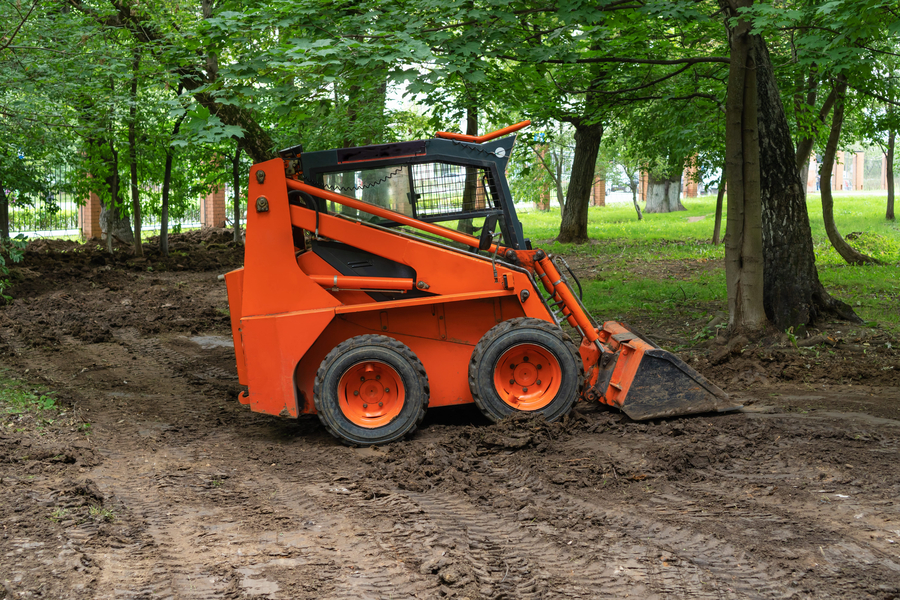
When it comes to construction and landscaping projects, a skid steer can be a valuable piece of equipment. However, choosing the right machine also depends on selecting the right skid steer attachments for the work you need to complete. At ProQuip, we understand the importance of making a practical equipment decision, which is why we’ve put together this guide to help you compare skid steer needs, attachment options, and project requirements.
Understanding the Basics of Skid Steers
Before reviewing the specifics, it’s important to understand what a skid steer is and how it functions. A skid steer is a compact, versatile piece of heavy machinery that can perform a variety of tasks, from digging and lifting to grading and demolition. Thanks to its compact size and maneuverability, it’s an excellent choice for projects in confined spaces.
How Skid Steers Operate
Skid steers are equipped with lift arms that can be attached to a variety of skid steer attachments, allowing them to perform multiple functions. The term “skid steer” refers to the way the machine turns; it’s able to pivot by skidding or dragging its wheels across the ground, which provides strong maneuverability.
Key Factors to Consider When Choosing a Skid Steer
Selecting the right skid steer involves several key considerations. Let’s explore these factors in more detail:
1. Assessing Your Project Needs
First, identify the specific tasks you need the skid steer to perform. Are you looking to dig trenches, move heavy materials, or clear land? Understanding the scope of your project will help you determine the necessary specifications and features.
- Task Requirements: Determine the primary functions you’ll need, such as excavation, loading, or material handling.
- Space Constraints: Consider the size of your worksite. A compact skid steer might be necessary for tight spaces.
- Terrain Type: Assess whether you’ll be working on smooth, rough, or uneven terrain.
2. Evaluating Skid Steer Specifications
Once you’ve identified your project needs, examine the specifications of different skid steers to ensure they match your requirements.
- Operating Capacity: Consider the weight the skid steer can safely lift. This is important for projects involving heavy materials.
- Engine Power: More horsepower usually means better performance, especially in tougher jobs.
- Lift Height and Reach: Evaluate the lift height and reach of the skid steer to ensure it fits your project needs.
3. Choosing the Right Skid Steer Attachments
One of the biggest advantages of skid steers is their ability to accommodate various attachments, making the machine more versatile. At ProQuip, we provide a variety of skid steer attachments to suit different applications.
- Buckets: Available in different sizes for digging, grading, and material handling.
- Augers: Ideal for drilling holes for posts, trees, or foundations.
- Grapples: Perfect for handling bulky materials like logs or debris.
- Trenchers: Excellent for digging trenches for utilities or drainage.
Budget Considerations
Budget is an important factor when choosing a skid steer. It’s important to balance your needs with your financial constraints. At ProQuip, we offer equipment options, including new and used heavy equipment for sale in Florida, to help you find a skid steer that fits your budget.
New vs. Used Skid Steers
Deciding between a new or used skid steer can have major budget implications. Here are some points to consider:
- New Skid Steers: Offer the latest technology, warranties, and lower maintenance costs, but come with a higher price tag.
- Used Skid Steers: More affordable but may require more maintenance. Ensure you inspect the equipment thoroughly before purchasing.
Making the Final Decision
After evaluating your project needs, skid steer specifications, attachments, and budget, it’s time to make your decision. Consider consulting with experts who can provide additional insights based on your specific requirements.
Consulting with ProQuip Experts
At ProQuip, our team of experts is here to help you in making the best choice. We offer personalized consultations to help you compare options. Whether you’re interested in purchasing or renting, we’ll ensure you find the right skid steer for your project.
Testing and Demonstrations
We recommend testing out different skid steers before making a purchase. This direct experience allows you to assess the machine’s comfort, ease of use, and overall performance. At ProQuip, we offer demonstrations to help you make a clearer decision.
Maintenance and Support
Once you’ve chosen your skid steer, maintaining it properly is important to ensure longevity and peak performance. ProQuip provides support and maintenance services to keep your equipment working smoothly.
Regular Maintenance Tips
Regular maintenance can prevent costly repairs and downtime. Here are some maintenance tips:
- Routine Inspections: Regularly check for wear and tear, leaks, and other possible issues.
- Lubrication: Ensure all moving parts are properly lubricated to prevent friction and wear.
- Filter and Fluid Checks: Regularly replace filters and check fluid levels to maintain proper performance.
Choosing the right skid steer is an important decision that can affect the success of your project. By understanding your needs, evaluating specifications, considering attachments, and balancing your budget, you can make an informed choice. At ProQuip, we’re ready to help you find the perfect skid steer, offering expert advice, a range of options, and ongoing support. To explore our selection and consult with our experts, contact us today.
Remember, the right skid steer can improve your efficiency and productivity, so take the time to choose wisely. With ProQuip by your side, you can confidently handle your project.
Related Posts