Selecting the right excavator size can make or break a job—affecting timelines, costs, and overall efficiency. Whether we’re working on a tight residential site or a large-scale commercial build, excavator sizing plays a critical role in how smoothly the project runs. At ProQuip, we work closely with contractors to simplify excavator selection, helping match the right excavators and construction equipment to digging depth, reach, and real-world jobsite conditions.
Understanding Excavator Sizing
When we talk about excavator sizing, we are really talking about matching machine capability to job demands. Different excavators are built for different scopes of work, and choosing the wrong size can lead to inefficiencies or unnecessary costs.
Here’s how we generally break it down when guiding customers at ProQuip:
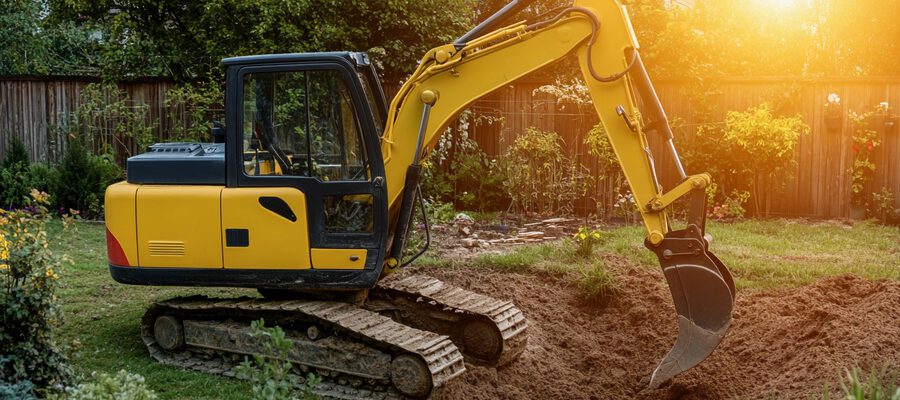
- Mini Excavators: Typically weigh between 1 to 10 tons. Ideal for small jobs in tight spaces, such as residential landscaping or minor trenching.
- Midi Excavators: Weigh between 10 to 20 tons. Suitable for medium-sized projects where space is slightly less restricted.
- Standard Excavators: Weigh between 20 to 35 tons. Perfect for larger residential projects and smaller commercial jobs.
- Large Excavators: Weigh over 35 tons. Best for substantial commercial projects requiring heavy lifting and extensive digging.
Factors to Consider in Excavator Selection
1. Project Type: Residential vs. Commercial
The nature of the project is usually the first thing we look at during excavator selection. Residential jobs often involve limited access points, nearby structures, and smaller work zones. In these cases, compact excavators reduce risk while improving maneuverability.
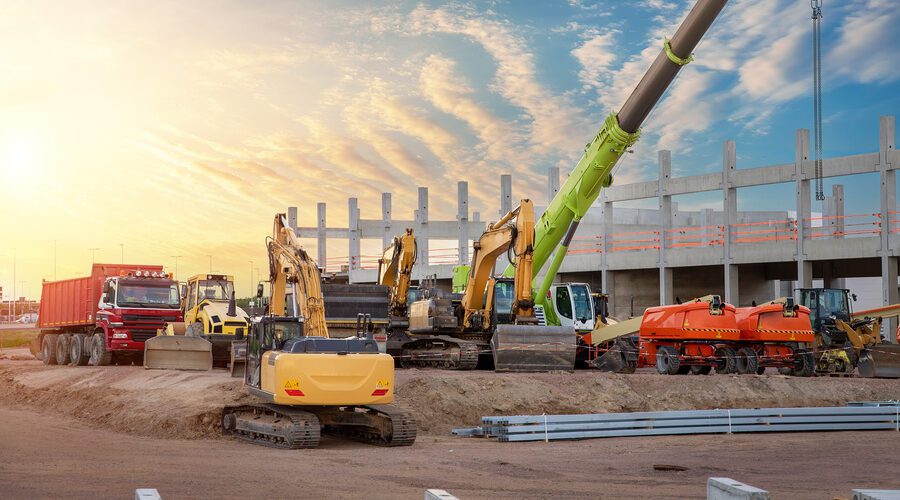
Commercial projects, on the other hand, typically allow for larger equipment and demand higher productivity. For these jobs, larger excavators help move material faster and handle deeper excavation efficiently.
2. Digging Depth and Reach
Excavators are categorized based on their digging depth and reach. Understanding the specifications of your project site will help determine these needs:
- Residential Projects: Often involve tasks like digging pools, basements, or small foundations, requiring a mini or midi excavator with a moderate reach and depth.
- Commercial Projects: May require deeper and wider excavation for foundations, utilities, or roads, making a standard or large excavator more suitable.
3. Jobsite Conditions
Real-world jobsite conditions often determine whether an excavator will be productive or problematic. When advising on excavator sizing, we consider:
- Space Constraints: Limited access areas in residential zones may necessitate smaller equipment.
- Terrain: Rough or uneven terrain might require an excavator with better stability and power.
- Environmental Regulations: Some residential areas have restrictions on noise and emissions, influencing the type of excavator you can use.
Cost Implications of Excavator Sizing
The size of the excavator directly affects the overall cost of the project. Larger machines tend to be more expensive to rent or purchase, and they consume more fuel. However, they may complete the work faster, potentially offsetting the higher initial costs. Here’s how to balance cost and efficiency:
- Residential Projects: Opt for smaller excavators to minimize costs and avoid overcapacity.
- Commercial Projects: Consider the cost benefits of using larger machines that can handle more extensive tasks efficiently.
Tips for Effective Excavator Selection
1. Evaluate Your Project’s Specific Needs
We always recommend starting with a clear understanding of scope, timeline, and site conditions. Knowing how deep you need to dig, how much material you’re moving, and how accessible the site is will narrow your excavator options quickly.
2. Consult with Experts
At ProQuip, excavator selection is never guesswork. We help contractors choose excavators based on real job requirements, not just machine specs. Our experience with a wide range of construction equipment allows us to recommend solutions that actually perform in the field.
3. Consider Future Project Needs
If you handle both residential and commercial work, flexibility matters. Choosing excavators that can adapt to multiple job types can reduce future equipment changes and improve long-term ROI.
Choosing the correct excavator size is one of the most important decisions in any construction project. By focusing on excavator sizing, digging depth, reach, and jobsite conditions, we can avoid inefficiencies and unnecessary expenses. At ProQuip, we’re committed to helping contractors make confident, informed decisions when selecting excavators and other essential construction equipment.
If you’re planning a residential or commercial project and need guidance on excavator selection, get in touch with us today. We’re here to help you choose excavators that work as hard as you do—on every job, from start to finish.
Related Posts