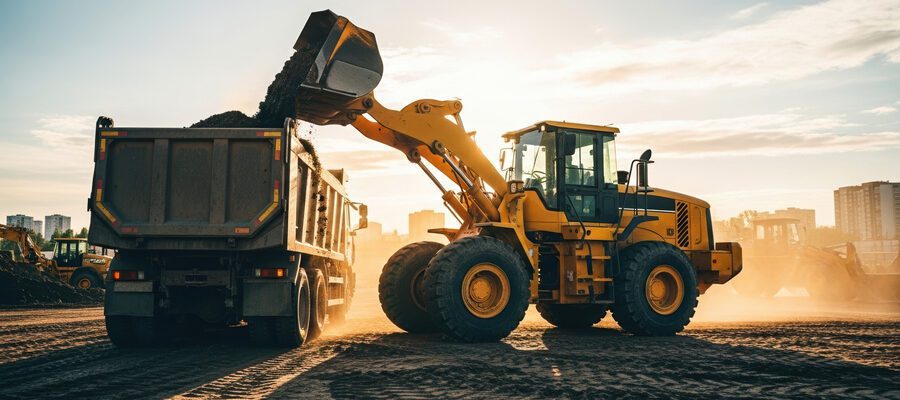
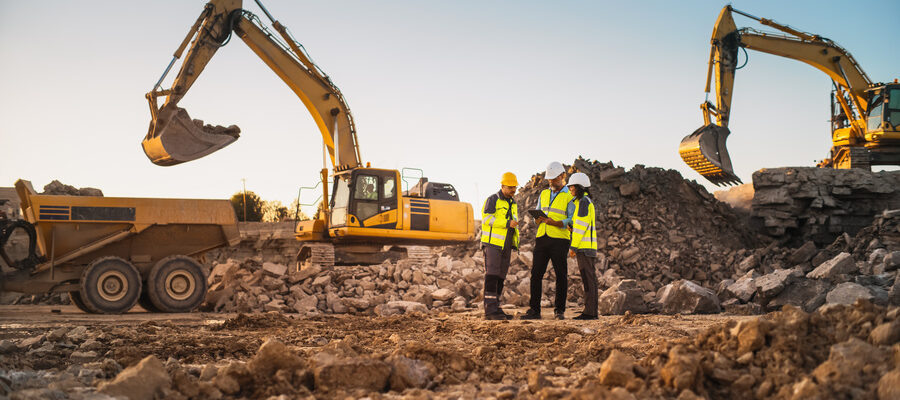
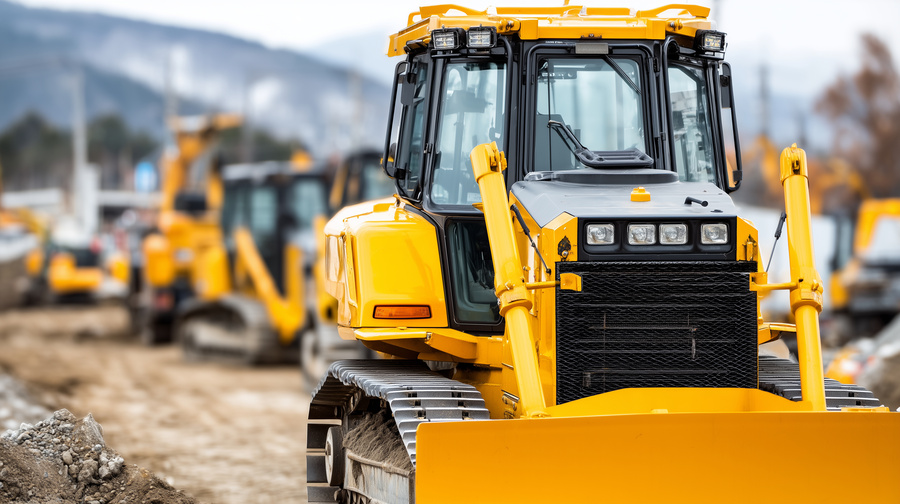
Hydraulic systems are essential for powering modern machines used across construction sites. Reliable heavy equipment hydraulics allow operators to lift loads, control attachments, and maintain consistent hydraulic performance during demanding tasks. At ProQuip, understanding how hydraulic systems function helps ensure construction equipment operates efficiently and supports the performance required for daily jobsite work.
The Basics of Hydraulic Systems in Construction Equipment
Hydraulic systems are the main component of modern construction equipment. They use fluid power to perform heavy lifting and precise movements that would be impossible with manual labor alone. The basic components of a hydraulic system include a reservoir, pump, valves, actuators, and hydraulic fluid. These components work together to transform mechanical energy into hydraulic energy, which is then used to perform work.
Hydraulic Flow and Pressure
Two key factors of any hydraulic system are flow and pressure. Understanding these can help us optimize the performance of construction equipment.
- Hydraulic Flow: This refers to the movement of the hydraulic fluid through the system. The flow rate, measured in gallons per minute (GPM), determines how fast a hydraulic actuator (such as a cylinder or motor) can move. High flow rates are essential for tasks requiring speed.
- Hydraulic Pressure: Pressure is the force exerted by the hydraulic fluid. Measured in pounds per square inch (PSI), it determines the force that the hydraulic system can apply. High-pressure systems are necessary for tasks that require significant force, such as lifting heavy loads.
Types of Hydraulic Pumps
Hydraulic pumps are important components that convert mechanical energy into hydraulic energy. Different types of pumps provide different advantages and are suited to specific tasks.
Gear Pumps
Gear pumps are one of the most common types of hydraulic pumps used in construction equipment. They are known for their simplicity and durability. Gear pumps work by using rotating gears to move fluid. They are ideal for low-pressure applications and are often found in equipment where reliability is more critical than efficiency.
Piston Pumps
Piston pumps are more complex and efficient than gear pumps. They use a series of pistons to move fluid, allowing them to operate at higher pressures and flow rates. This makes them suitable for high-performance applications where both speed and power are required. Piston pumps are often used in large construction machinery like excavators and bulldozers.
Vane Pumps
Vane pumps are another type of hydraulic pump used in construction equipment. They use vanes mounted on a rotor to move fluid. Vane pumps offer a good balance between efficiency and reliability, making them suitable for medium-pressure applications. They are often used in machinery that requires moderate speed and force.
Hydraulic Attachment Compatibility
One of the advantages of hydraulic systems is their ability to power a wide range of attachments. This flexibility makes construction equipment more adaptable to different tasks.
Skid Steer Hydraulics
Skid steer loaders are a prime example of machinery that benefits from hydraulic attachment compatibility. These versatile machines can be equipped with various attachments, such as buckets, augers, and trenchers, thanks to their robust hydraulic systems. Understanding skid steer hydraulics is essential for maximizing the effectiveness of these machines on the job site.
Excavator Attachments
Excavators are another type of construction equipment that relies heavily on hydraulics. Their hydraulic systems allow them to operate attachments like grapples, breakers, and thumbs with precision and power. By ensuring that excavator attachments are compatible with the machine’s hydraulic system, operators can achieve optimal performance and efficiency.
Enhancing Construction Equipment Performance with Hydraulics
By understanding the role of hydraulics in construction equipment, we can take steps to enhance performance and efficiency on the job site.
Regular Maintenance and Inspection
Regular maintenance and inspection of hydraulic systems are crucial to ensure they operate at peak performance. This includes checking for leaks, monitoring fluid levels, and inspecting hoses and connections. Preventive maintenance can help avoid costly breakdowns and increase the service life of construction equipment.
Optimizing Hydraulic Settings
Optimizing the hydraulic settings on construction equipment can significantly improve performance. This involves adjusting flow rates and pressure settings to match the specific requirements of the task at hand. By fine-tuning these settings, operators can achieve the perfect balance between speed and power.
Training and Education
Proper training and education for operators are essential for maximizing the benefits of hydraulic systems. Operators should understand the capabilities and limitations of the equipment they are using and be familiar with the various attachments and their hydraulic requirements. This knowledge can lead to more efficient and safe operation on the job site.
The Future of Hydraulics in Construction Equipment
As technology advances, so too does the potential for hydraulics in construction equipment. Innovations such as electro-hydraulic systems and smart hydraulics are creating opportunities for even more efficient and powerful machinery.
Electro-Hydraulic Systems
Electro-hydraulic systems combine hydraulic power with electronic controls, offering precise and efficient operation. These systems allow for more accurate control of hydraulic functions, improving both performance and fuel efficiency. Electro-hydraulic systems are becoming increasingly common in modern construction equipment.
Smart Hydraulics
Smart hydraulics incorporate sensors and data analytics to optimize system performance in real-time. By continuously monitoring hydraulic parameters, smart systems can adjust settings automatically to enhance efficiency and reduce wear and tear. This technology is still in its early stages but holds great promise for the future of construction equipment.
At Pro-Quip LLC, we are committed to staying at the forefront of hydraulic technology and providing our customers with the best solutions for their construction equipment needs. By understanding the role of hydraulics in construction equipment performance, we can help you choose the right machinery and attachments to achieve your project goals efficiently and effectively.
The role of hydraulics in construction equipment is important for achieving the power and precision required in today’s demanding construction projects. By understanding hydraulic flow, pressure, pump types, and attachment compatibility, we can improve the performance of our machinery and ensure the success of our construction endeavors. Contact us today for more information.
Related Posts