Choosing between a skid steer and a compact track loader comes down to where you work, what you need to move, and how much maneuverability and traction the job requires. For contractors comparing heavy equipment in Florida, understanding the differences in terrain performance, operating costs, and attachment options can make the decision easier. In this blog, ProQuip compares skid steers and compact track loaders to help you determine which machine better fits your work.
Understanding the Basics
What is a Skid Steer?
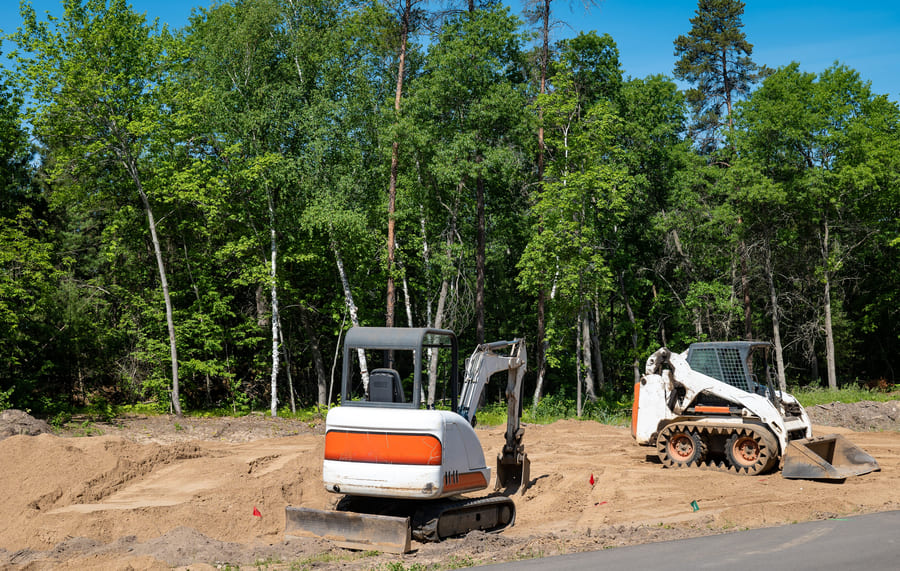
A skid steer is a small, rigid-frame, engine-powered piece of equipment with lift arms that can be fitted with various skid steer attachments. These machines are known for their agility and are often used in construction, landscaping, and agriculture. Skid steers can turn in their own tracks, making them highly maneuverable in tight spaces.
What is a Compact Track Loader?
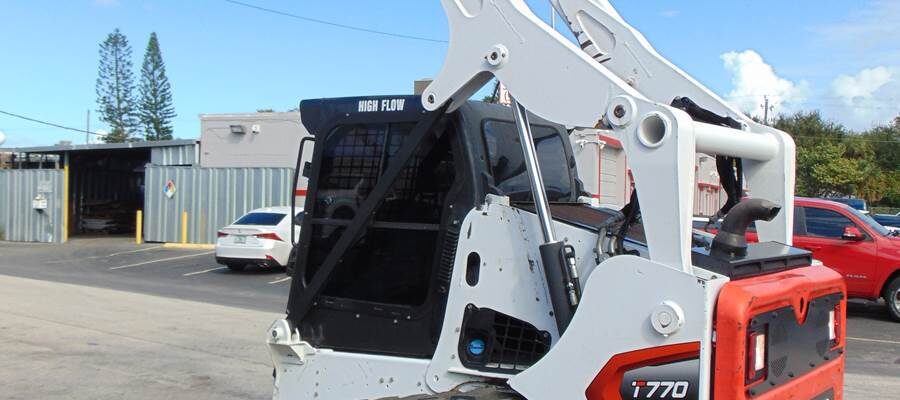
Compact track loaders are similar to skid steers but have tracks instead of wheels. This key difference allows them to distribute weight more evenly, making them ideal for soft, muddy, or uneven terrain. Like skid steers, they can also be equipped with different attachments, enhancing their versatility.
Comparing Terrain and Traction
One of the main factors to consider when choosing between a skid steer and a compact track loader is the type of terrain you’ll be working on.
Skid Steers on Firm Terrain
Skid steers work well on firm, stable surfaces. Their wheeled design provides excellent maneuverability and speed on concrete, asphalt, and compacted earth. If your projects primarily involve hard, flat surfaces, a skid steer might be the better fit. Additionally, their wheels are less likely to cause damage to finished surfaces compared to tracks.
Compact Track Loaders on Soft Terrain
For projects on soft, wet, or uneven ground, compact track loaders are the better choice. Their tracks distribute the machine’s weight over a larger area, reducing ground pressure and providing superior traction. This makes them useful for working on muddy sites, snow-covered areas, or sandy conditions.
Operating Costs and Maintenance
Understanding the long-term costs associated with each machine type is worth considering.
Cost Efficiency of Skid Steers
Skid steers tend to have lower initial purchase prices and often cost less to maintain. Their wheeled design means fewer moving parts in the undercarriage, which can translate to reduced maintenance costs. Additionally, tire replacement is typically less expensive than track replacement.
Investing in Compact Track Loaders
While compact track loaders can be more expensive upfront, they often offer greater capabilities in challenging terrains, potentially reducing the need for additional equipment. However, their tracks and undercarriage components can be more costly to maintain and replace. It’s important to consider the specific demands of your projects when evaluating these costs.
Maneuverability and Job Type
The type of work you plan to perform is another important factor in choosing between these machines.
Skid Steers for Tight Spaces
Skid steers work well in areas where space is limited. Their ability to pivot 360 degrees makes them perfect for indoor projects, urban construction sites, or any area where maneuverability is key. They can quickly navigate around obstacles and are often favored for tasks such as demolition, roadwork, and grading on firm surfaces.
Compact Track Loaders for Versatile Tasks
Compact track loaders, while slightly less nimble than skid steers, offer versatility across a wider range of conditions. Their superior traction and stability make them suitable for tasks like land clearing, trenching, and heavy lifting on uneven terrain. If your projects require moving through variable conditions, a compact track loader might be the better choice.
Skid Steer and Compact Track Loader Attachments
Both skid steers and compact track loaders can be fitted with a variety of attachments, enhancing their functionality and adaptability.
- Buckets: Used for digging and moving materials.
- Augers: Ideal for drilling holes for posts or trees.
- Pallet Forks: Perfect for lifting and moving pallets.
- Trenchers: Used for digging narrow trenches for utilities.
The right skid steer attachments can make one machine useful for digging, lifting, trenching, material handling, and other jobs.
Choosing the Right Machine for Your Needs
When deciding between a skid steer and a compact track loader, consider the following factors:
- Terrain: Evaluate the typical ground conditions of your projects.
- Budget: Consider both initial costs and long-term maintenance expenses.
- Job Type: Identify the primary tasks you’ll be performing.
- Attachments: Determine which attachments will be necessary for your work.
By assessing these elements, you can make a more informed decision that aligns with your operational needs and financial considerations.
Finding the Best Fit
Both skid steers and compact track loaders offer unique advantages. At ProQuip, we understand the importance of selecting the right equipment for your specific needs. Whether you’re operating heavy equipment in Florida or tackling diverse projects across different terrains, the choice between these two machines will significantly impact your efficiency and success.
We encourage you to evaluate your project requirements and consult with our experts to ensure you select the right machinery. ProQuip can help you compare skid steers, compact track loaders, attachments, and other equipment based on the work you need to complete.
Need help choosing between a skid steer and a compact track loader? Contact ProQuip to compare heavy equipment in Florida, compact track loaders, skid steer attachments, terrain requirements, operating costs, and the type of work your machine needs to handle.
Related Posts