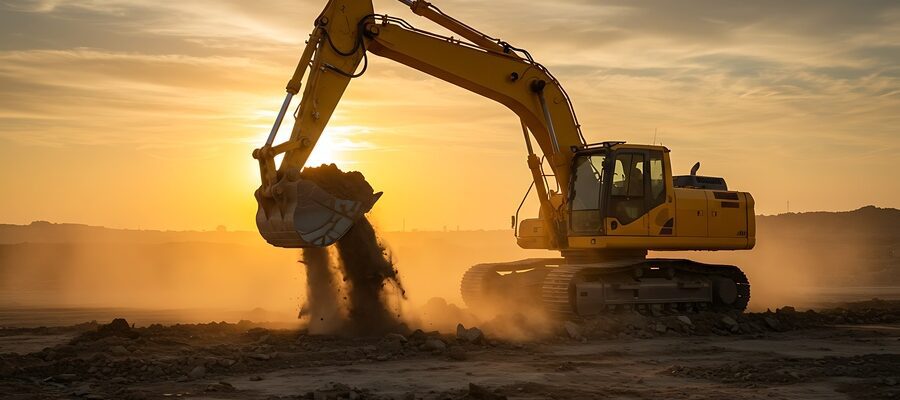


- As contractors plan ahead for 2026, one challenge remains constant: how to scale operations without overspending on assets that lose value quickly. In today’s market, investing wisely in used heavy equipment has become a strategic advantage rather than a compromise. Through our work at ProQuip, we’ve seen how choosing low-hour machinery helps contractors protect equipment value, improve productivity, and plan maintenance costs with far greater confidence.
Understanding the Value of Low-Hour Used Equipment
Before deciding where to invest, it’s important to understand what makes low-hour equipment different. Low-hour machinery refers to used heavy equipment that has logged significantly fewer operating hours than average. These machines often come from fleet rotations, short-term projects, or owners who maintained them carefully.
From our experience, this category of used heavy equipment consistently delivers the best balance between performance and long-term value.
Cost Efficiency Without Compromising Quality
One of the biggest reasons contractors turn to low-hour used heavy equipment is cost efficiency. New machines depreciate the moment they leave the yard, while low-hour machinery allows us to avoid that initial value drop.
By choosing used heavy equipment with limited hours, contractors can often acquire newer models with modern features at a fraction of the cost. This approach allows us—and the contractors we work with—to stretch capital further, invest in additional machines, or allocate budget to labor and project growth instead.
High Resale Value
Protecting equipment value is just as important as controlling upfront costs. Low-hour machinery consistently holds resale value better than older, high-hour equipment. When contractors need to rotate inventory, upgrade fleets, or liquidate assets, these machines attract stronger buyer interest.
We’ve seen firsthand how contractors recover more of their investment when selling low-hour used heavy equipment, making it a smarter long-term financial decision.
Impact on Productivity and Maintenance Budgeting
Beyond purchase price and resale, low-hour machinery plays a major role in daily performance and long-term cost planning.
Enhanced Productivity
Low-hour used heavy equipment typically delivers higher reliability. Fewer operating hours often mean less wear on critical components, resulting in fewer breakdowns and less downtime on job sites.
Many low-hour machines also include newer technology—improved controls, better fuel efficiency, and enhanced safety features—that directly support productivity. When crews trust their equipment, projects move faster and schedules stay intact.
Reduced Maintenance Costs
Maintenance expenses are a significant concern for contractors, and low-hour machinery offers a clear advantage in this regard. With fewer hours of use, these machines typically require less frequent and less costly maintenance. This reduction in maintenance needs not only saves money but also minimizes downtime, further boosting productivity.
Additionally, low-hour equipment is less likely to encounter major mechanical issues, providing peace of mind and reducing the risk of unexpected expenses. This reliability is crucial for contractors who need to allocate their resources efficiently and avoid disruptions in their operations.
Strategic Considerations for Purchasing Low-Hour Used Equipment
When considering the purchase of low-hour used equipment, contractors should adopt a strategic approach to ensure they make the best decision for their business. Here are some key considerations:
Assessing Equipment Needs
Before making any purchase, contractors should carefully assess their equipment needs. This involves evaluating the types of projects they typically undertake, the specific machinery required, and the expected workload. By having a clear understanding of their needs, contractors can make informed decisions about which low-hour equipment will provide the most value.
Evaluating Equipment Condition
While low-hour equipment is generally in better condition than heavily used machinery, it’s still essential to conduct a thorough inspection. Contractors should examine the equipment’s maintenance history, check for any signs of wear and tear, and ensure that all systems are functioning correctly. This evaluation helps avoid potential pitfalls and ensures the machinery will perform as expected.
Considering Financing Options
Financing is an important aspect of purchasing heavy equipment. Contractors should explore various financing options to determine the most cost-effective solution for acquiring low-hour machinery. This may involve comparing interest rates, loan terms, and payment plans to find the best fit for their budget and financial goals.
The Role of ProQuip LLC in Facilitating Smart Purchases
When contractors choose to invest in used heavy equipment, the dealer matters just as much as the machine.
Expert Guidance and Support
At ProQuip, we focus on buyer education. We help contractors understand how low-hour machinery impacts productivity, resale value, and maintenance planning—so decisions are based on long-term value, not just price.
A Wide Selection of Low-Hour Equipment
Our inventory is curated to include high-quality, low-hour used heavy equipment that meets real-world jobsite demands. This allows contractors to find machines that align with both current projects and future growth.
As 2026 approaches, smart equipment investments will separate efficient contractors from the rest. Prioritizing low-hour used heavy equipment allows us to balance cost efficiency, operational reliability, and long-term equipment value—without sacrificing performance.
At ProQuip, we work closely with contractors who want equipment that works as hard as they do. By choosing low-hour machinery, contractors position themselves for stronger productivity, predictable maintenance costs, and better resale outcomes.
Investing wisely today means operating more efficiently tomorrow—and low-hour used heavy equipment continues to be one of the most practical ways to achieve that balance. Get in touch with us today.
Related Posts