Buying a used skid steer can be a practical way to add equipment without taking on the cost of a new machine. Before buying, it is worth checking the engine, hydraulics, tires or tracks, operating hours, service history, and compatibility with the skid steer attachments you plan to use. In this blog, ProQuip explains what to inspect so you can compare used machines more confidently.
Initial Considerations: Why Buy Used?
When considering heavy equipment in Florida or elsewhere, buying used can offer a lower upfront cost. The depreciation rate of new equipment is steep, meaning a used skid steer can provide good value. Additionally, opting for a used model often allows buyers to afford machines with more features or better skid steer attachments than a similarly priced new model.
Essential Inspections Before Purchase
1. Engine Condition
The heart of any skid steer is its engine. Check the engine carefully for leaks, unusual noises, and signs of neglected maintenance. Look for signs of oil leaks, which can indicate worn seals or gaskets. Listen to the engine while it runs; unusual noises like knocking or hissing could signal deeper issues.
Check the oil level and its color. Dark, thick oil might suggest overdue maintenance. Inquire about the service history to understand how well the engine has been maintained. Regular oil changes and timely servicing can help extend an engine’s lifespan.
2. Hydraulic System
The hydraulic system is another critical component of a skid steer. Inspect the hydraulic hoses for cracks, leaks, or wear. A malfunctioning hydraulic system can lead to costly repairs and downtime. Ensure the hydraulic fluid is at the appropriate level and free from contaminants.
Test the machine’s hydraulic functions. The bucket, arms, and any attachments should move smoothly and respond quickly to controls. Any delays or jerky movements could indicate a problem with the hydraulic pump or cylinders.
3. Tires or Tracks
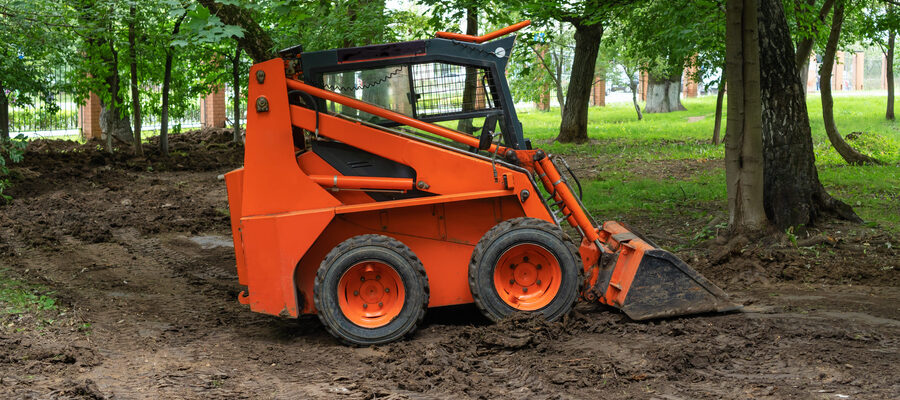
The condition of the tires or tracks is a good indicator of how much work the skid steer has done. Examine the tread for wear and check for any cuts or punctures. If the machine is equipped with tracks, ensure they are not overly worn or damaged.
Consider the type of work you plan to do. Tires are generally more suitable for hard surfaces, while tracks provide better traction on soft or uneven terrain. Each has its advantages, so choose based on your specific needs.
4. Operating Hours
Operating hours can give you an idea of how much use the skid steer has had. However, hours alone aren’t a definitive indicator of condition. A well-maintained machine with higher hours can be a better option than a poorly maintained one with fewer hours.
Compare the operating hours with the general wear and tear of the machine. If a low-hour machine shows excessive wear, it might have been used in harsh conditions or not maintained properly.
5. Attachment Points
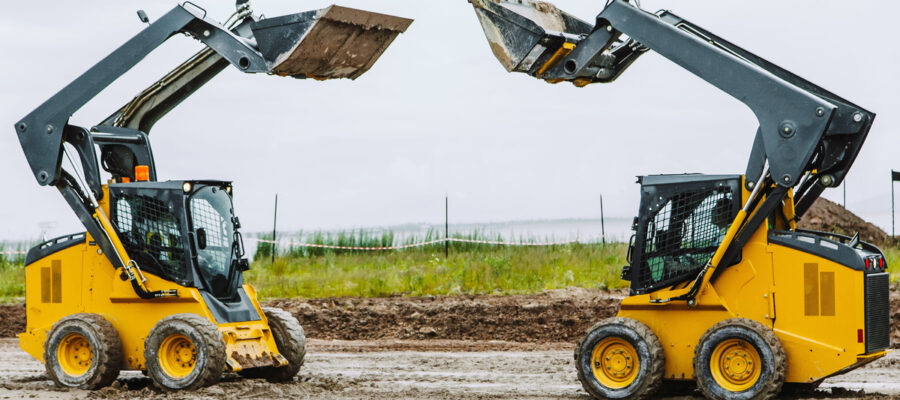
The flexibility of a skid steer is largely due to its ability to use various attachments. Inspect the attachment points for any signs of damage or excessive wear. Ensure the locking mechanisms are functioning correctly, as loose or damaged attachment points can lead to operational hazards.
Consider what skid steer attachments you will need and ensure the machine can accommodate them. Whether you need buckets, augers, or grapples, compatibility is key.
6. Service History
A detailed service history can provide valuable insights into the machine’s past. It shows how well the skid steer has been maintained and can highlight any recurring issues. Look for records of regular maintenance, such as oil changes, filter replacements, and any major repairs.
A detailed service history can also help you spot recurring repairs and estimate upcoming maintenance needs.
Additional Factors to Consider
Machine’s Age and Model
While age isn’t the only factor of a skid steer’s condition, it can impact the availability of parts and service. Older models may have parts that are harder to find, leading to increased maintenance costs. Research the model’s reputation for reliability and performance.
Cab and Controls
Inspect the cab for comfort and usability. Check the seat for wear and ensure all controls are functioning smoothly. A comfortable operator is more productive and less prone to fatigue.
Modern skid steers often come with advanced electronic controls. Ensure these systems are working correctly and that there are no warning lights or error codes present in the dashboard.
Price and Market Comparison
Finally, compare prices with similar models in the market. While it’s important to get a good deal, be wary of prices that seem unusually low. They might indicate hidden problems. Consider the machine’s condition, features, and attachments when evaluating its price.
Making the Right Decision
Buying a used skid steer is a significant investment, and thorough inspection is important to ensure you get value for your money. By focusing on key areas such as the engine, hydraulics, tires or tracks, and service history, you can make an informed decision.
At ProQuip, we’re committed to helping you find the right heavy equipment in Florida and beyond. Our team is ready to assist you with any questions you may have about used skid steer buying, ensuring you make a purchase that fits your work and budget.
Remember, patience and diligence during the inspection process can save you from future headaches and expenses. Let’s make the most of your investment by choosing the right skid steer for your operations.
We hope this guide helps you compare your options of buying a used skid steer. With careful attention to detail and a focus on key components, you can find a reliable machine that will serve you well for years to come. For more information or assistance, don’t hesitate to reach out to us at ProQuip. Happy equipment hunting!
Related Posts