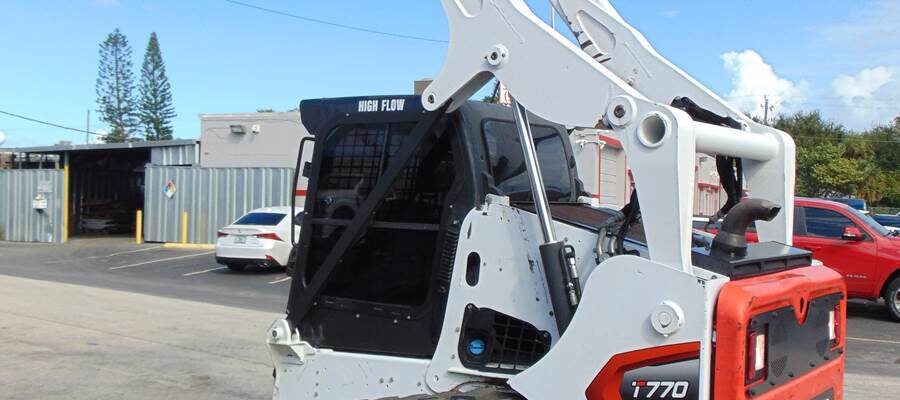
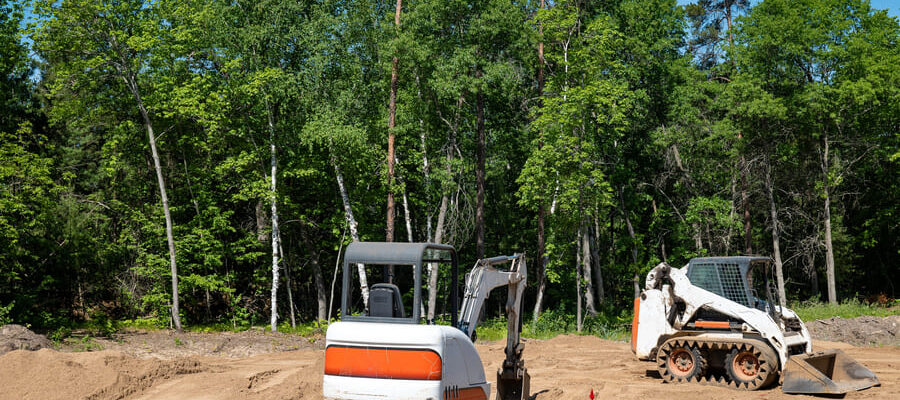

Buying used equipment can be a practical way to control costs, but the machine still needs to be inspected carefully before purchase. When evaluating compact track loaders, buyers should look closely at the tracks and undercarriage, hydraulics, engine performance, controls, operating hours, and maintenance history. In this blog, ProQuip explains what to check during a used equipment inspection and what buyers should consider when comparing machines for their workload and budget.
Understanding the Importance of Inspection
Investing in a used compact track loader is a significant decision, especially for those buying on a budget. An inspection helps identify potential issues that could lead to costly repairs. It also provides insight into the machine’s maintenance history and current condition, allowing you to gauge its remaining lifespan. Start by reviewing the following areas.
Key Areas to Inspect
1. Tracks and Undercarriage
The tracks and undercarriage are among the most critical components of a compact track loader. Start by examining the tracks for signs of wear and tear. Look for cracks, cuts, or uneven wear patterns, as these can indicate alignment issues or improper usage. The undercarriage should be checked for any damage or excessive wear, especially on the rollers, sprockets, and idlers.
- Tracks: Check for proper tension and alignment.
- Rollers and Sprockets: Inspect for wear and proper lubrication.
- Idlers: Examine for cracks or dents.
2. Hydraulics
Hydraulic systems are vital for the operation of compact track loaders. Inspect all hydraulic hoses and lines for leaks or damage. Check the hydraulic fluid levels and quality. Low fluid levels, leaks, discoloration, or contamination may indicate maintenance issues that need further evaluation.
- Inspect hydraulic hoses for cracks or leaks.
- Check hydraulic fluid levels and ensure they are adequate.
- Test the operation of hydraulic components to ensure smooth and efficient performance.
3. Engine Performance
The engine is the heart of any heavy equipment. Start the engine and listen for any unusual noises, such as knocking or squealing. Examine the exhaust for excessive smoke, which can indicate engine problems.
- Engine Sound: Listen for irregular noises.
- Exhaust: Check for signs of smoke or unusual emissions.
- Fluids: Inspect oil and coolant levels, looking for any contamination.
4. Controls and Cab
The operator’s comfort and ease of use are essential for productivity. Sit in the cab and test the controls to ensure they are responsive and intuitive. Check the seat for comfort and adjustability. Ensure that all gauges and indicators are functioning correctly.
- Test all controls and switches for responsiveness.
- Check the condition of the seat and cab interior.
- Ensure all displays and indicators are operational.
5. Operating Hours and Maintenance Records
The number of operating hours can provide insight into the machine’s usage and remaining life. Review the maintenance records to ensure regular servicing and repairs have been conducted. This information is crucial for understanding the loader’s history and potential future maintenance needs.
- Review the total operating hours logged on the machine.
- Examine maintenance records for regular servicing.
- Look for any history of significant repairs or replacements.
Additional Considerations
Evaluating Overall Appearance
While aesthetics are not the primary concern, the overall appearance of the compact track loader can provide clues about its past care. Look for signs of rust, especially on the frame and undercarriage. Fresh paint may hide issues, so inspect thoroughly.
Testing the Equipment
Whenever possible, test the compact track loader in operation. This hands-on evaluation allows you to assess its performance, responsiveness, and ease of use. Pay attention to any unusual vibrations or noises during operation.
Consulting with Experts
If you’re unsure about any aspect of the inspection, consider consulting with a professional. At ProQuip, our team is always ready to assist with expert advice and guidance, ensuring you make a well-informed purchase decision.
Inspecting a used compact track loader before purchase can help you identify condition issues and better understand what the machine may need after the sale. By focusing on key areas such as the tracks, hydraulics, engine performance, controls, and maintenance history, you can make an informed decision and avoid costly mistakes. Buyers comparing heavy equipment in Florida can contact ProQuip to discuss available compact track loaders and the specifications needed for their work.
Remember, a careful inspection today can save you from significant headaches tomorrow. Whether you’re buying a compact track loader on a budget or expanding your fleet, taking the time to inspect and evaluate your options is a wise investment in your business’s future.
Contact ProQuip to compare available machines, review operating hours and maintenance history, and discuss the specifications that fit your workload and budget.
Related Posts