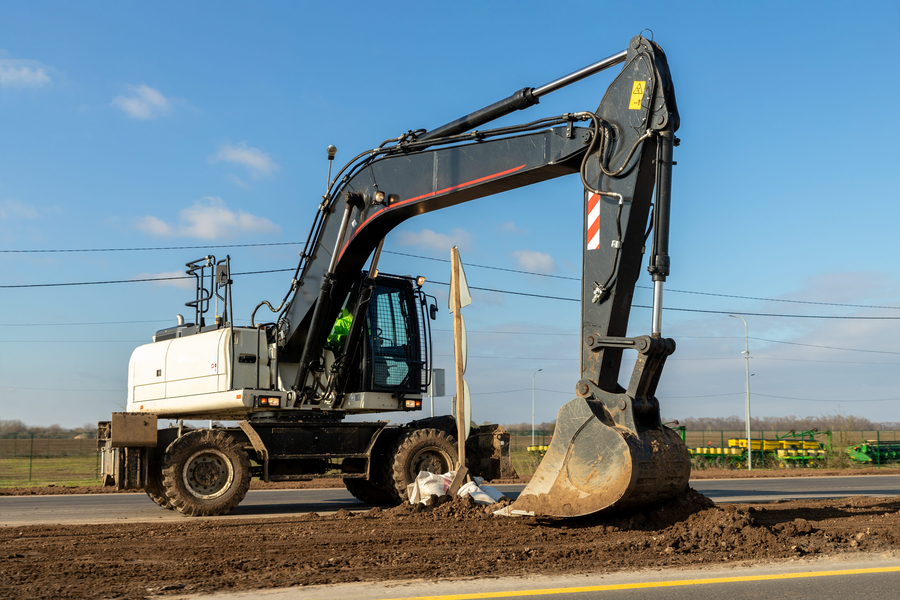
Choosing between new and used heavy equipment requires more than comparing purchase prices, especially when reliability, availability, financing, maintenance, and expected use can affect the overall investment. For businesses comparing heavy equipment in Florida, ProQuip can help buyers evaluate available machines based on their workload, budget, condition requirements, and long-term equipment needs.
Start with the Work the Equipment Needs to Do
Before comparing machines, define the work the machine needs to handle. Think about the type of work, the conditions on your job sites, how many hours the equipment will run and whether the machine will be used every day or only for occasional projects. A contractor with a full schedule may value uptime and predictable performance differently from a smaller business that needs equipment for periodic jobs.
It also helps to consider the equipment’s role in your operation. Is it essential to meeting customer deadlines, or would another machine cover the work if it became unavailable? Will it generate revenue directly, reduce labor needs or make it possible to take on different projects? These questions help determine how much you should prioritize condition, warranty coverage, delivery timing and initial cost.
The Case for Buying New Heavy Equipment
Warranty Coverage and Predictable Condition
New equipment has not accumulated hours in another owner’s operation, so buyers can start with a clear baseline for its condition. Depending on the machine and applicable terms, a manufacturer’s warranty may also help cover certain repairs during a defined period. That can make budgeting more predictable, particularly for businesses that rely on a machine to meet tight schedules.
A warranty is not a promise that maintenance will be unnecessary, and coverage varies by product. Review what is included, how long the coverage lasts, what responsibilities apply and where service can be performed. Planned maintenance remains important from the first day of ownership.
Current Features and Long-Term Use
New machines may include current technology, updated controls and features designed to support operator comfort or efficiency. These features can matter when equipment will be used for long shifts or when a business plans to keep the machine for many years. A machine configured to suit the job may also reduce the need for immediate modifications.
However, not every business needs the latest specifications. If a particular feature will not improve your work, reduce operating costs or help you win projects, paying extra for it may not make financial sense. Compare the equipment’s actual capabilities with the demands of your jobs rather than assuming that newer automatically means better value.
Financing and Cash Flow
New equipment may offer financing options that spread the purchase cost over time. That can help a business preserve working capital for payroll, materials, fuel and other operating expenses. The right comparison includes more than the monthly payment: look at the total amount paid, interest, down payment, fees and the financing term.
Why Used Heavy Equipment Can Be a Smart Investment
Lower Purchase Price and Slower Depreciation
A used machine often has a lower purchase price than a comparable new model. It may also have already passed through an early period of depreciation, which can be helpful for a buyer focused on acquisition cost or a shorter ownership horizon. A lower purchase price may leave more of the equipment budget available for attachments, transportation, maintenance, or other operating expenses.
Still, price alone does not determine value. A low-cost machine that requires major repairs or cannot handle your workload may cost more over time than a higher-priced, well-maintained option. Compare the purchase price with expected maintenance, likely repairs, operating expenses and the machine’s potential resale value.
Faster Availability and Practical Specifications
Used equipment may be available sooner than a new machine that needs to be ordered, built or configured. That can matter when a project is approaching or a replacement machine is needed quickly. Pre-owned inventory can also give buyers access to models and specifications that match familiar ways of working.
Availability is not guaranteed, and a particular used machine may not be the right fit simply because it is ready to buy. Confirm its specifications, condition and suitability for your work. For heavy equipment in Florida, it is especially useful to consider how local job requirements, transportation and service access affect the decision.
Compare Total Cost of Ownership, Not Just Price
Whether you choose new or used, estimate the full cost of owning and operating the machine. A useful comparison includes the purchase price, financing, insurance, fuel, scheduled maintenance, expected repairs, transportation and eventual resale value. Consider how downtime could affect revenue or project schedules as well.
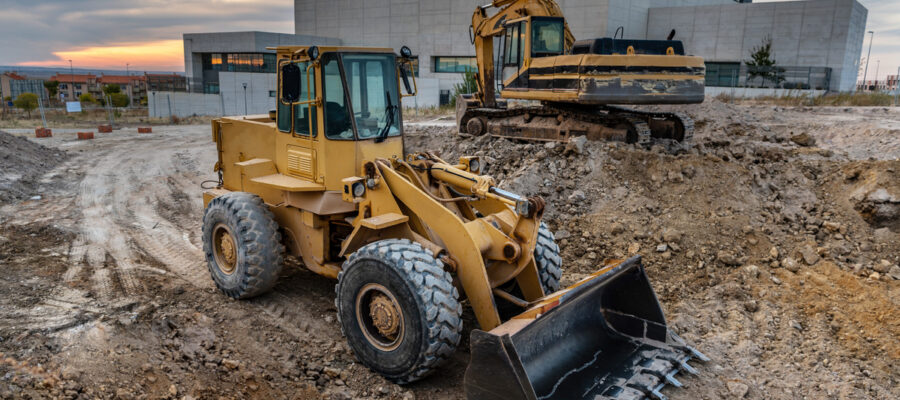
For example, a used loader may cost less upfront, but its value depends on its maintenance history and remaining service life. A new model may cost more but offer warranty coverage and predictable early operating expenses. Which option makes more sense depends on how often the machine will run, what it will earn and how much uncertainty your business can accept.
Build a realistic budget using three scenarios:
- Expected use: Estimate typical hours, fuel use and routine service requirements.
- Higher-than-expected use: Consider whether extra hours or demanding conditions could increase maintenance needs.
- Unexpected downtime: Account for repair costs, rental equipment or delayed work if the machine is unavailable.
This exercise can reveal whether a lower purchase price is worth the additional risk, or whether investing more upfront better supports your business plan.
How to Evaluate a Used Machine
When buying used, review the machine’s history and current condition. Ask about service records, operating hours, previous applications and any repairs or replacements. Records can help show whether routine maintenance was performed and whether important components have received attention.
Inspect the machine carefully, paying particular attention to wear points, leaks, tires or tracks, hydraulic performance, controls and attachments. If possible, see the equipment operate under conditions similar to your intended work. A qualified technician can provide an independent assessment when the purchase is significant or the inspection raises questions.
Check attachments and compatibility before finalizing the deal. For example, when comparing used skid steer attachments, confirm that the mounting system, hydraulic requirements and capacity match your machine and the tasks you have planned. An incompatible attachment may require additional equipment, modifications, or replacement.
Match the Purchase to Your Business
Choose New When Reliability Is a Priority
New equipment may suit businesses with frequent, demanding use, limited tolerance for downtime, or plans to keep a machine for an extended period. It can also be a suitable option when a specific configuration or current feature is essential to the work. Make sure the expected return justifies the higher initial investment.
Choose Used When Flexibility and Cost Matter Most
Used equipment may suit businesses that need to manage upfront spending, expand a fleet carefully, or handle lower-hour and seasonal work. It can also be a practical way to add a machine for a specific contract without committing to the cost of a new model. The key is selecting a machine whose condition and capabilities fit your needs.
Local needs vary by trade. Businesses exploring landscaping equipment in Florida may have different priorities from heavy construction contractors, even when both use similar machine types. Job conditions, transport requirements, attachment needs, and frequency of use all influence the right choice. ProQuip can help you consider equipment options in the context of the work you expect to do.
A Simple Decision Checklist
Before making a commitment, use this checklist to compare the specific machines in front of you:
- Define the jobs, workload, and operating conditions the equipment must handle.
- Compare purchase price, financing terms, and the total cost of ownership.
- Assess availability, delivery timing, and the cost of waiting.
- For used equipment, review service history, hours, condition and repair needs.
- For new equipment, confirm warranty terms, specifications and ongoing service requirements.
- Verify attachment compatibility and operator suitability.
- Estimate how downtime could affect customers, schedules, and revenue.
- Consider your planned ownership period and potential resale value.
Make Your Next Equipment Decision with Confidence
The best choice is the one that supports your workload, cash flow and business plans—not necessarily the machine with the lowest price or the newest model year. Compare condition, expected use, financing, availability, and ownership costs before you decide.
Ready to find equipment that fits your workload, not just your budget? Contact ProQuip through our contact form or call (561) 908-1597 to discuss new and used equipment, attachments, availability, and the type of work you need to handle. Whether you are comparing construction equipment, landscaping machines, or used skid steer attachments, connect with our team to explore options that fit the jobs ahead.
Frequently Asked Questions
Is used heavy equipment always cheaper to own?
No. Used equipment usually has a lower purchase price, but repairs, maintenance, and downtime can increase total ownership costs. Compare the machine’s condition and expected operating expenses, not only its asking price.
Does buying new guarantee fewer equipment problems?
No machine is completely free from maintenance needs or the possibility of a breakdown. New equipment may offer a clearer condition baseline and applicable warranty coverage, but routine service and proper operation remain essential.
What should we check before buying used construction equipment?
Review service records, operating hours, machine condition, previous applications, and any known repairs. Inspect key components and test the equipment when possible. For a major purchase, consider having a qualified technician evaluate it.
Should a small business buy new or used?
Either can make sense. A smaller business may favor used equipment to limit upfront spending, while new equipment may suit a business that needs dependable, frequent use and values warranty coverage. The right choice depends on budget, workload, and risk tolerance.
Related Posts